
Hydraulic Breakers. Product image for reference; final configuration follows the agreed drawing.
Hydraulic Breakers
Hydraulic breakers, also known as hydraulic hammers, for breaking rock, concrete and asphalt with excavator, skid-steer or backhoe carriers.
Send your application details or drawing to confirm the required configuration.Hydraulic impact for demolition and construction.
A hydraulic breaker, also called a hydraulic hammer or rock breaker, is a demolition and construction attachment for breaking hard materials such as rock, concrete and asphalt. It uses power from the host machine's hydraulic system to carry out the breaking work.
The product range is presented for carriers such as excavators, skid steers and backhoes. The breaker and carrier form one working combination: the attachment mounting and the available hydraulic supply determine which configuration can be used on the machine.
AT A GLANCE
Product details
- Product family
- Hydraulic Breakers
- Application category
- Hydraulic breakers
- Product profile
- Demolition · Rock & concrete · Carrier matching
- Configuration review
- Confirm dimensions, interfaces and operating conditions for the selected application.
Review product-specific features and confirm fit against the current drawing before ordering.
Key features
Explore the product functions and design details below. Final dimensions and configuration are agreed for the selected application.
- 01
Rock, concrete and asphalt
The breaker is used to break hard materials in demolition and construction work. Rock, concrete and asphalt are the applications identified for this product family.
- 02
Carrier-powered attachment
Hydraulic power is supplied by the host machine. The breaker is used as an attachment rather than as an independently powered machine.
- 03
Multiple carrier types
Excavators, skid steers and backhoes are the carrier types described for the range. Mounting geometry and hydraulic compatibility are confirmed for the selected combination.
Drawings & References
These images are supplier source references for this product family. They do not confirm dimensions or configuration for your equipment. Confirm the selected model, applicable units and current drawing with Shining Hydraulic.
What to include in your inquiry.
A drawing is a useful starting point. If you do not have one, send the details you know and identify what still needs to be agreed.
- Carrier manufacturer, model and operating weight.
- Coupler or mounting drawing and pin dimensions.
- Available hydraulic flow, pressure and return-line details.
- Material to be broken and typical working position.
- Required tool type and operating schedule.
- Quantity, delivery destination and any site-specific requirements.
Before you specify.
Which machines can be considered as carriers?
The published product information describes excavators, skid steers and backhoes. Compatibility still needs to be confirmed for the actual carrier model and hydraulic supply.
Does the product page state a confirmed model or weight range?
A model range should be confirmed directly with the team. Provide your carrier and application details to request the relevant specifications.
Can I use one breaker for any rock or concrete job?
The carrier, hydraulic supply, material and working conditions must be considered together. Ask for a configuration review for the intended job.
Related products.
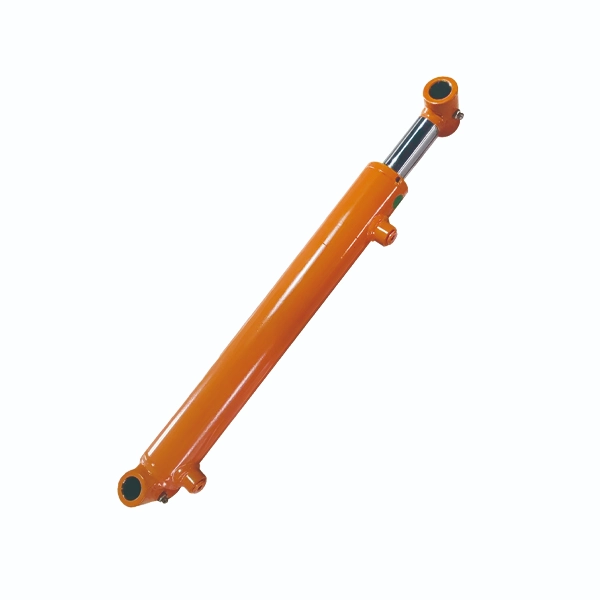
WT Welded Hydraulic Cylinders
WT welded cylinders with cross-tube mounts, piston wear rings and a removable screw-in gland. SAE porting is available on 5-, 6- and 8-inch bore sizes.
View product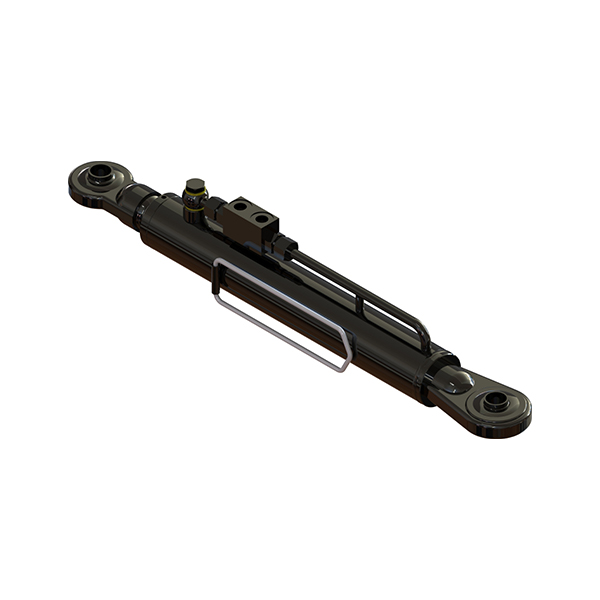
Hydraulic Cylinders for Tractors
Hydraulic suspension cylinder for tractors and large agricultural machinery, incorporating precision honing, surface treatment and a sealing system for field duty.
View product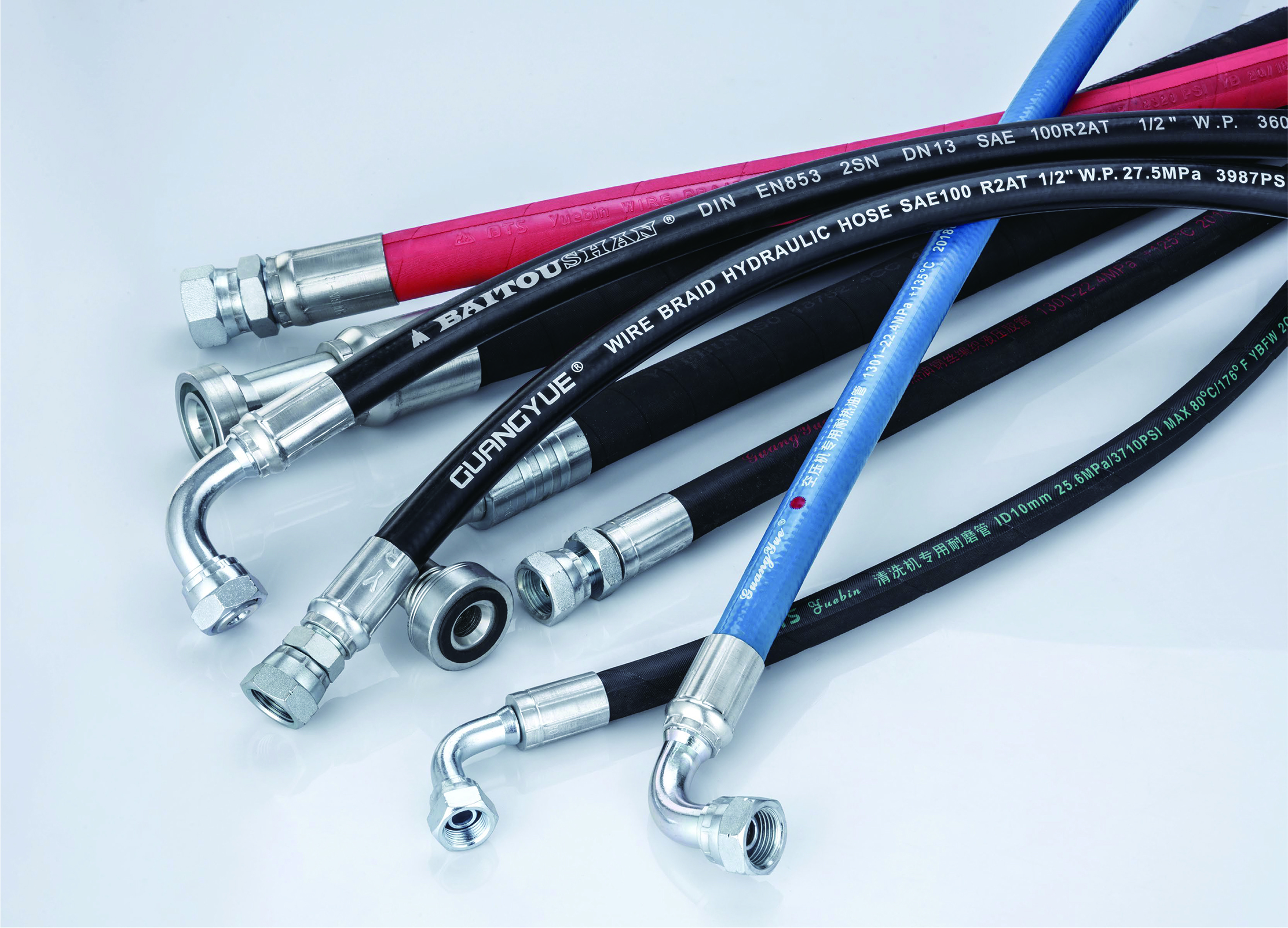
Hydraulic Hose Assemblies
Hydraulic hose assemblies with support for customized design, forming part of Shining Hydraulic's hydraulic attachments and connection-component range.
View productDISCUSS YOUR APPLICATION
Put your requirements in the picture.
Send the Hydraulic Breakers application details, drawing or reference part, required configuration and quantity. We can discuss your equipment before a quotation.